Fresh Cane Rum, Made in Waikapū, Maui
Mill House Spirits makes agricole-style rum from fresh sugarcane grown right beside the distillery at Maui Tropical Plantation in Waikapū Valley. Most rum you’ve had probably started as molasses.
This one doesn’t.
That distinction is important. Commercial rum, from the spiced stuff on a grocery shelf to a lot of premium Caribbean labels, is usually made from molasses, the syrupy byproduct left after sugar gets refined out of cane juice. Mill House Spirits skips that step. Fresh cane gets pressed on site, and the juice goes into fermentation while it’s still, well, fresh. That’s rhum agricole, a method most associated with Martinique, and it tastes noticeably different from what most people picture when they hear rum. Think grass and citrus peel, not caramel and vanilla.
I’m a big fan of distillation and quality cocktails, so I’ve attended my fair share of distillery and harvesting tours. I’ve never witnessed such proximity of the field to the processing. If freshness is important to the process, these spirits are in a class all their own!

Why This Sits in Waikapū Specifically
Mill House Spirits operates out of Maui Tropical Plantation at 1670 Honoapiʻilani Highway, a 1,500-plus acre property in Central Maui that’s been home to farm tours, ziplines, and a rotating string of restaurants for years. The valley once had its own sugar mill, known as the Cornwell Mill before it became the Waikapū Sugar Plantation, until larger operations in Wailuku and Puʻunēnē eventually absorbed most of the island’s production. Hawaiian Commercial & Sugar Company ran Hawaiʻi’s last commercial sugar mill, in Puʻunēnē, until it shut down in 2016, ending more than a century of sugar as Maui’s defining crop.
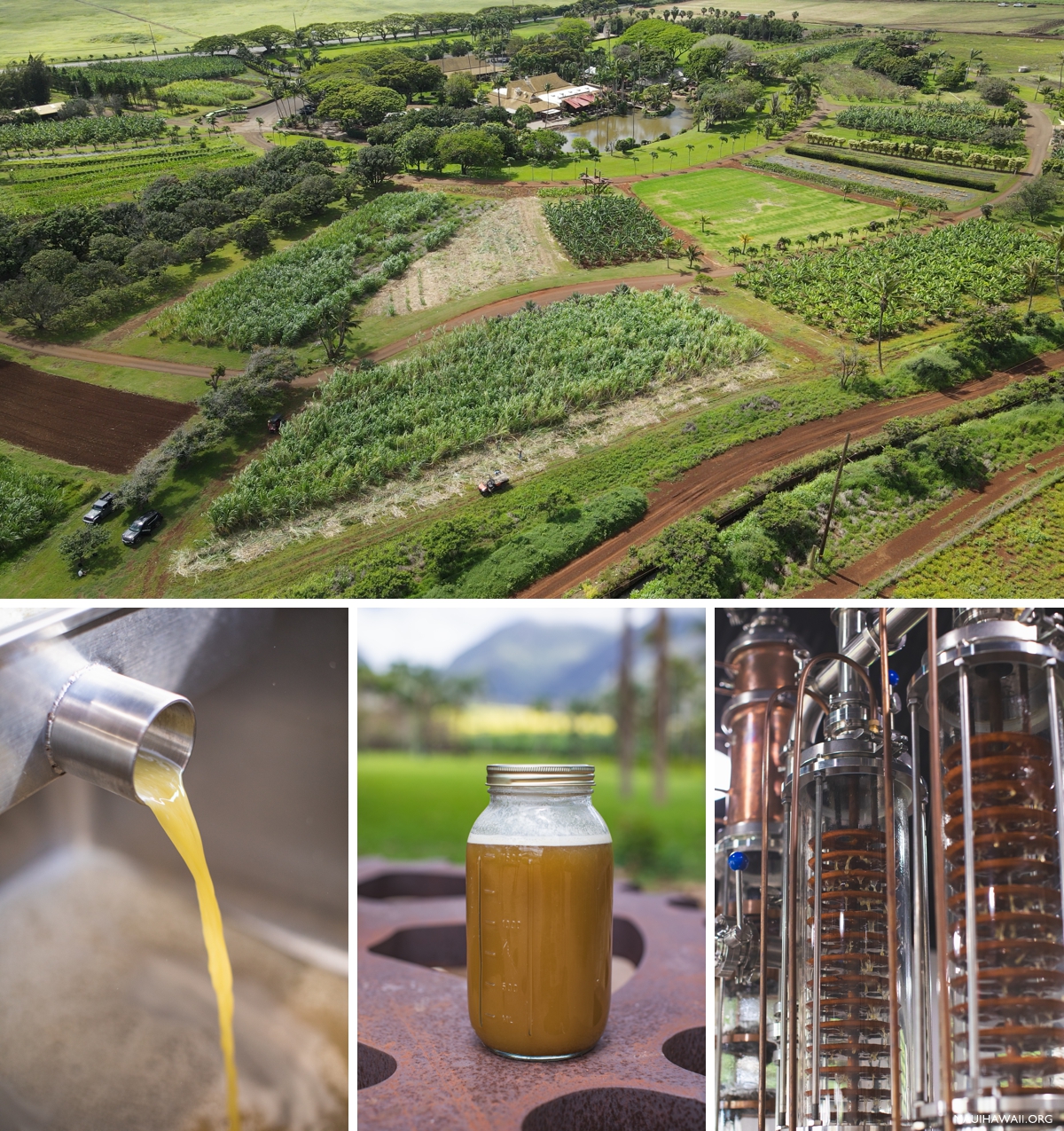
Years earlier, the restaurant at this same address grew a small on-site cane plot for its own cocktail program. Mill House Spirits picks up from there, but now as an actual distillery now instead of a bar ingredient. To its credit, the brand doesn’t lean on nostalgia to sell it. Master distiller Ryan Mabbutt explains this isn’t an attempt to recreate old plantation-era rum. It’s a new operation that happens to be standing on old cane ground.
How Mill House Spirits Makes Its Rum
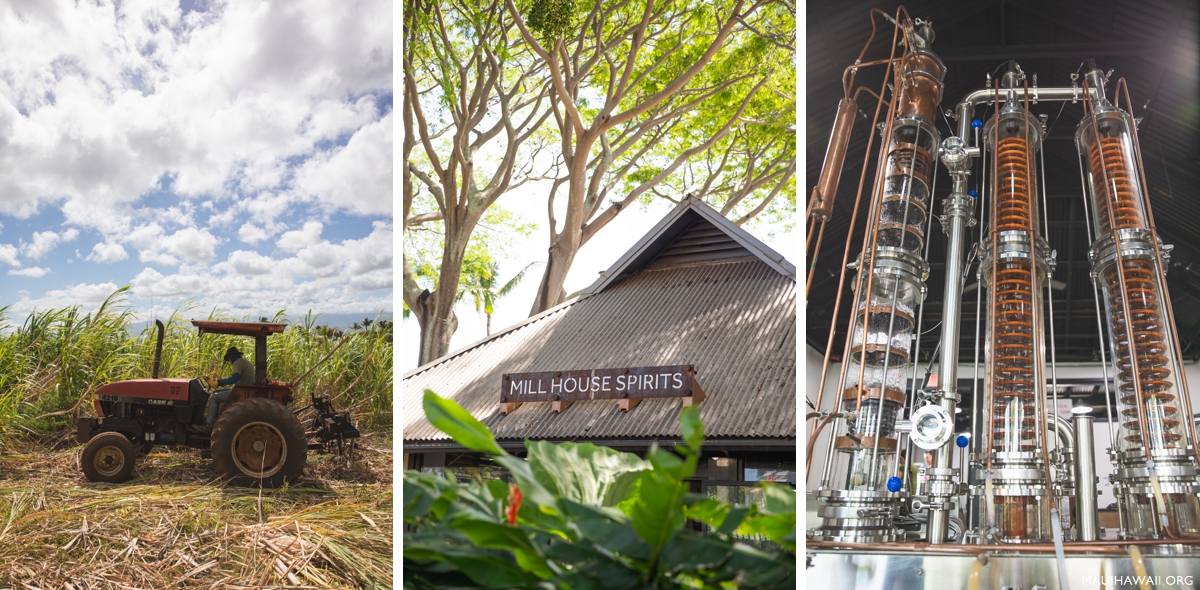
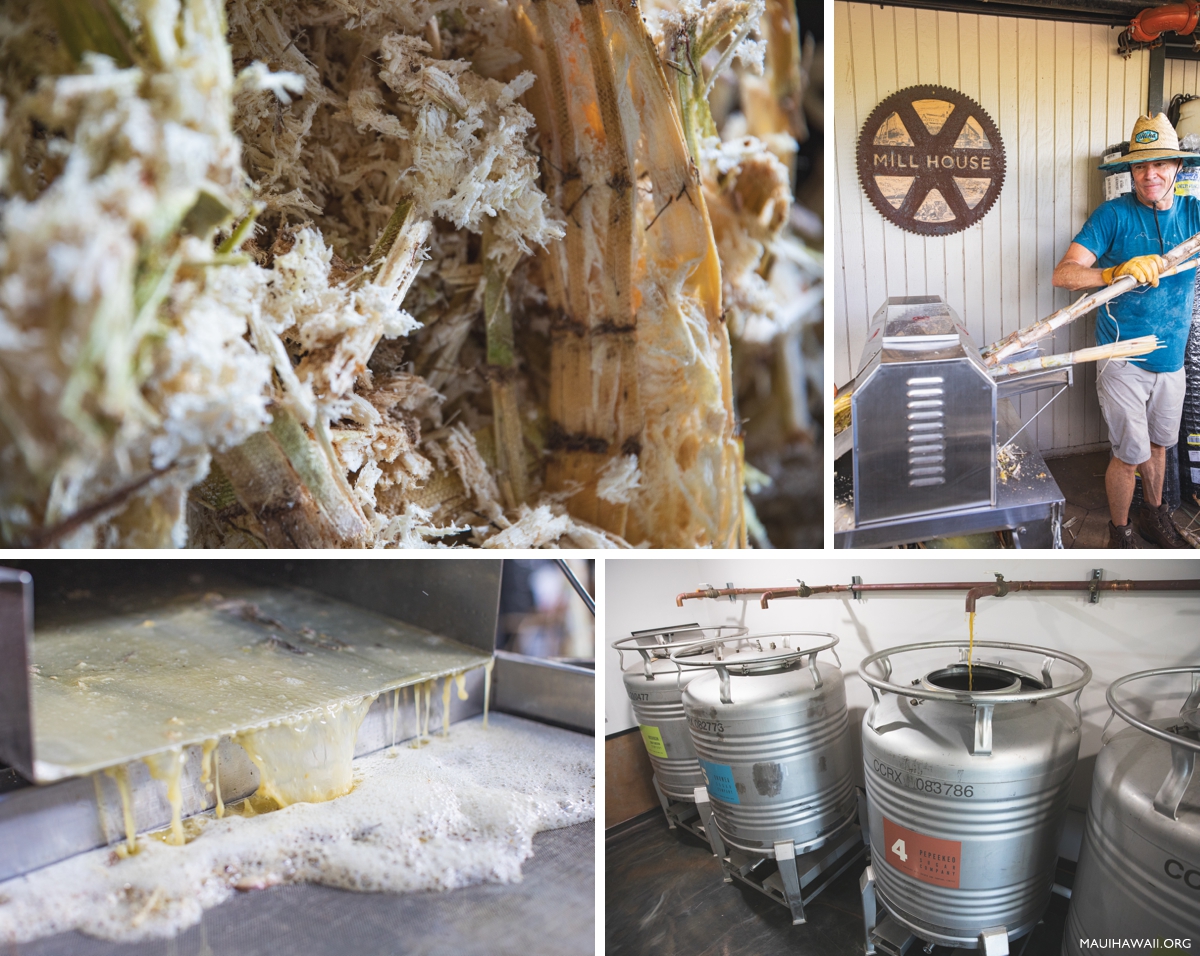
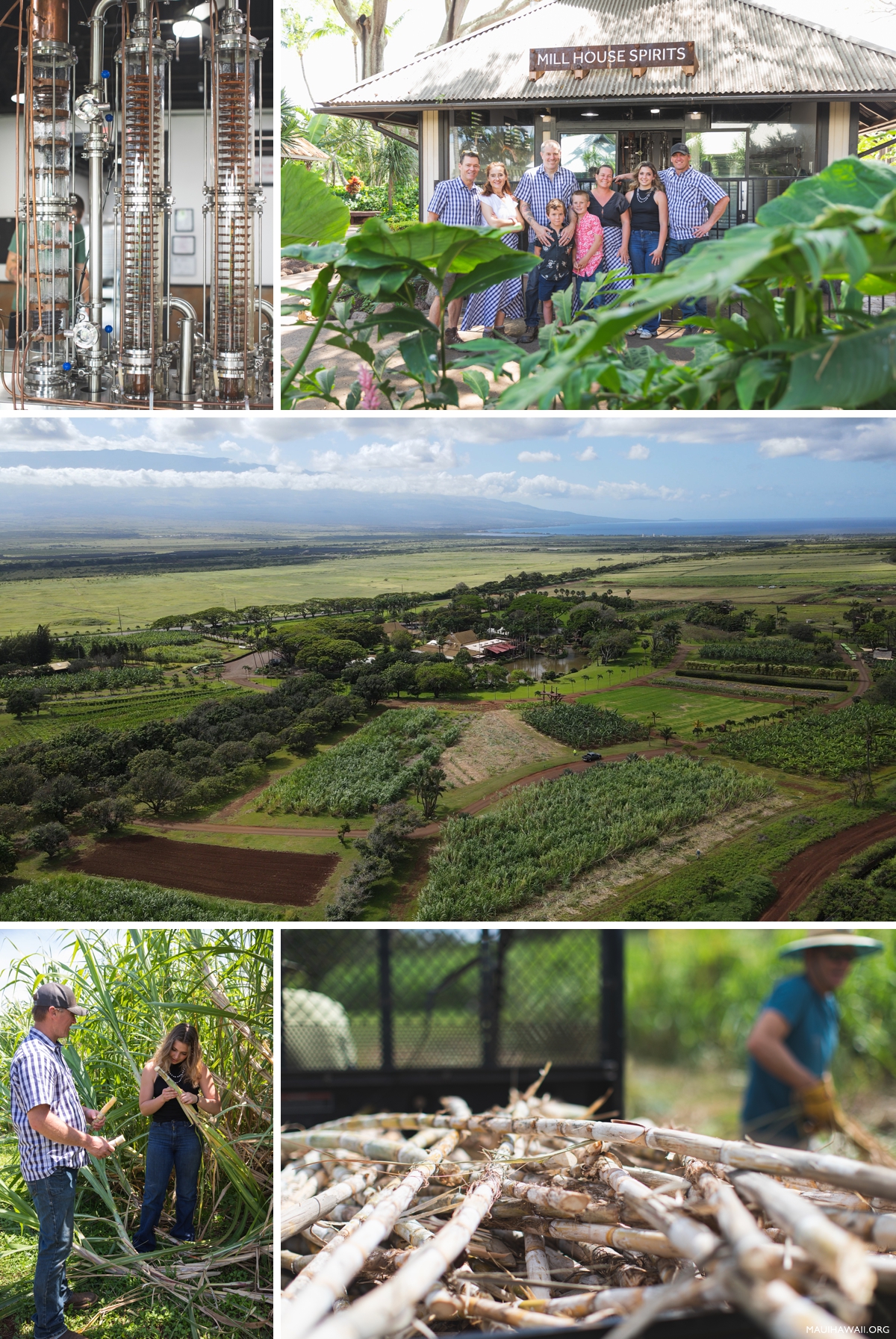
Production stays tight to the field. Cane grown just a short walk from the distillery gets harvested and pressed quickly, and the juice moves into fermentation rapidly. That speed is the entire point of agricole production. Let cane juice sit too long and you lose the freshness that separates this style from a molasses rum. I’ve watched the process in person: it’s literally a minute’s drive from the cane field to the pressing, and then the juice is only a few feet away from the distilling process.
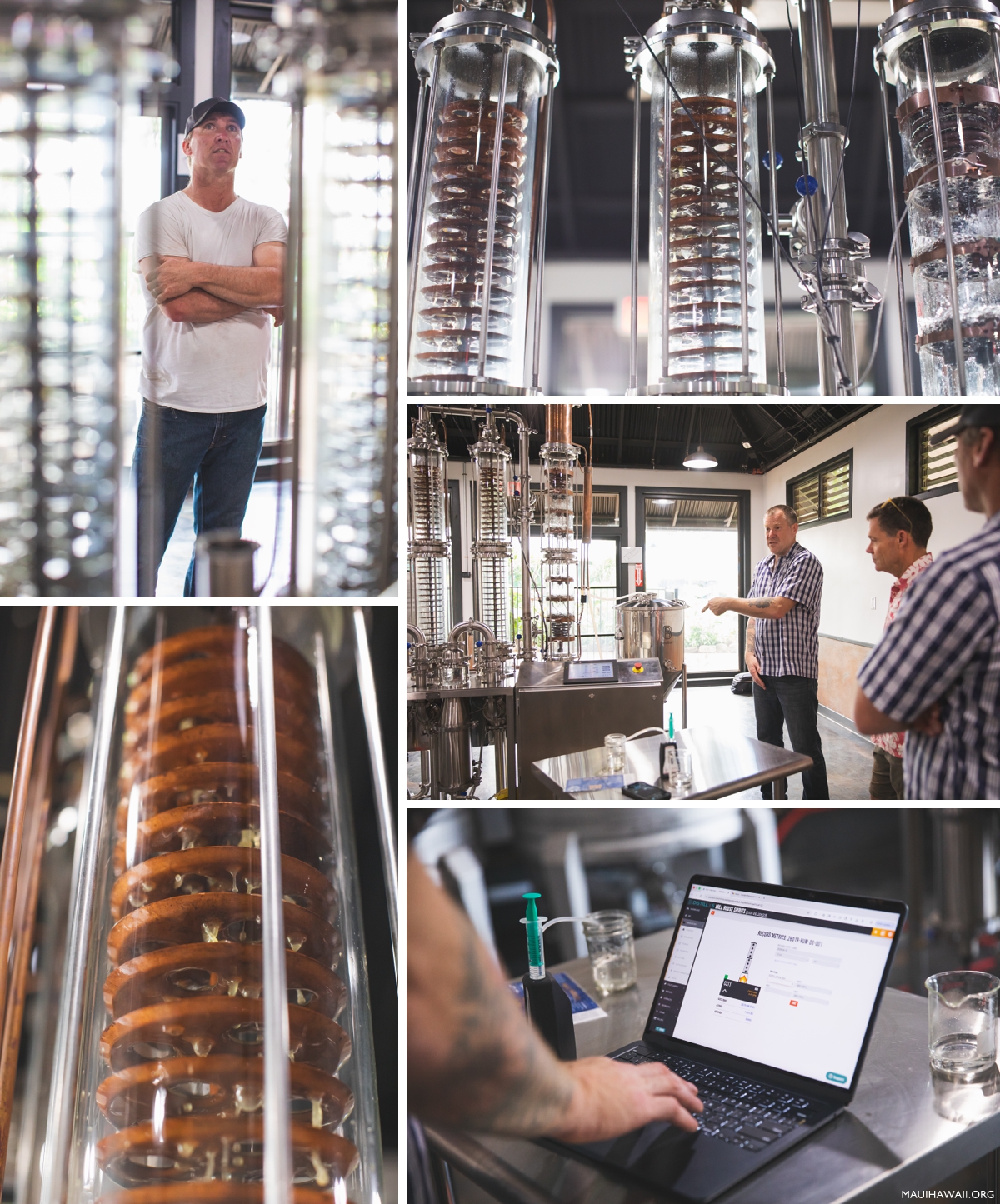
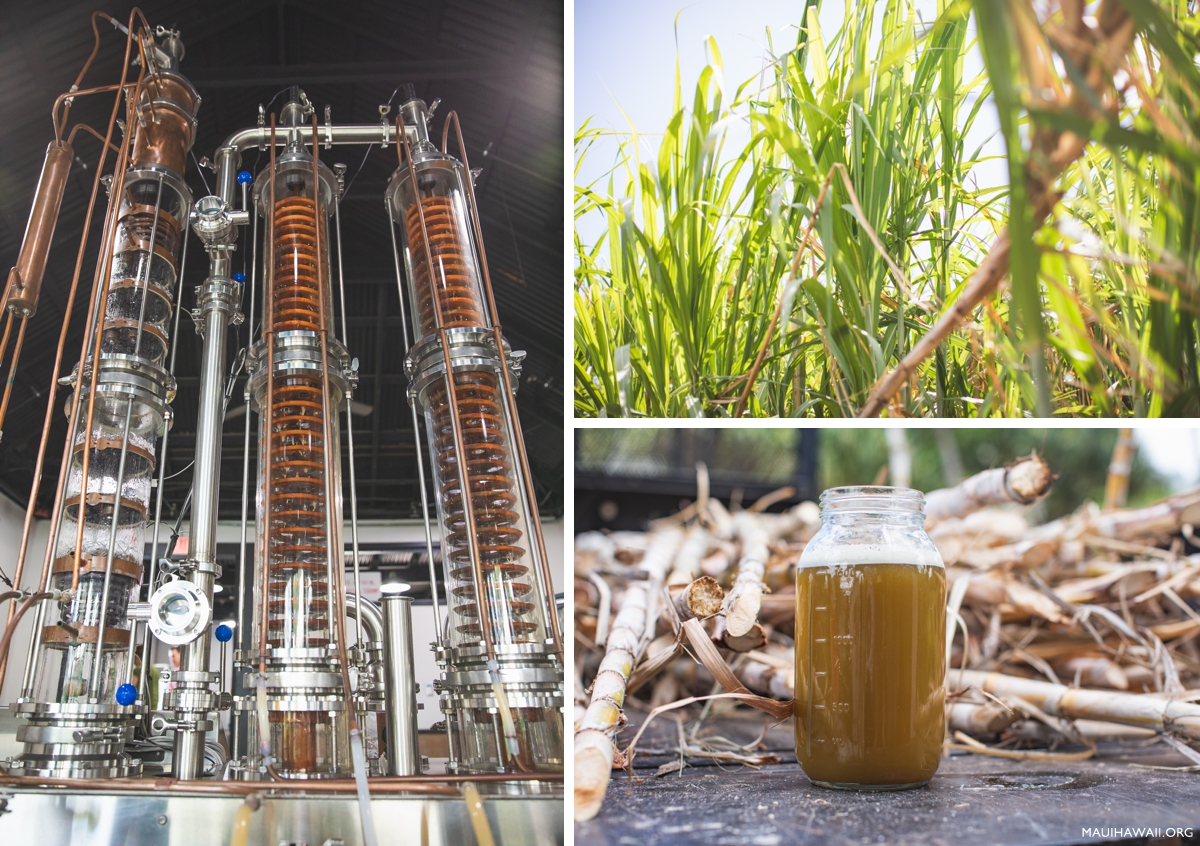
From there, the fermented cane juice moves on to distillation. Watching the equipment in action was a highlight of our visit, especially after seeing where the cane was grown and how quickly it reached the press.
Mill House Spirits also draws its process water from Waikapū itself, so both halves of the rum, the cane and the fresh water, trace back to the same valley.
What It Tastes Like
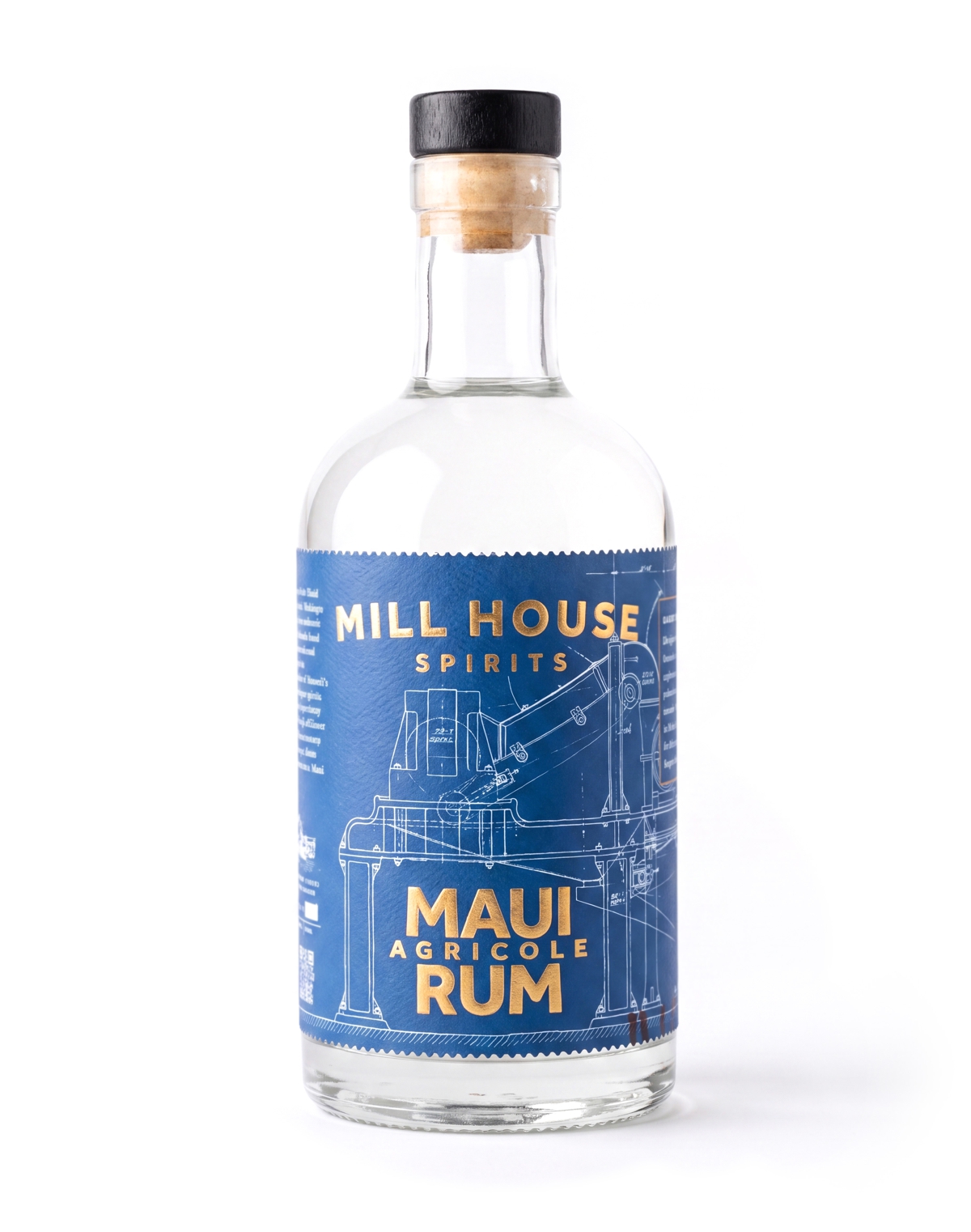
This is a white rum, bottled clear with no time in a barrel. Expect fresh cane character up front, some brightness and floral lift, grassy notes underneath, and a clean finish rather than the caramelized sweetness most rum drinkers expect. If you’ve had a rhum agricole blanc from Martinique, or tried Kō Hana’s rum on Oʻahu, this will feel familiar. If your rum experience starts and stops with spiced or dark rum, this is a genuinely different drink, not just a fancier version of what you already know.
Mill House Spirits recommends keeping the pour simple: neat, over ice, or with fresh citrus. That’s the right call for a rum built to show off cane character instead of masking it. But it’s incredibly smooth, so you could use it in pretty much any cocktail without it feeling out of place.
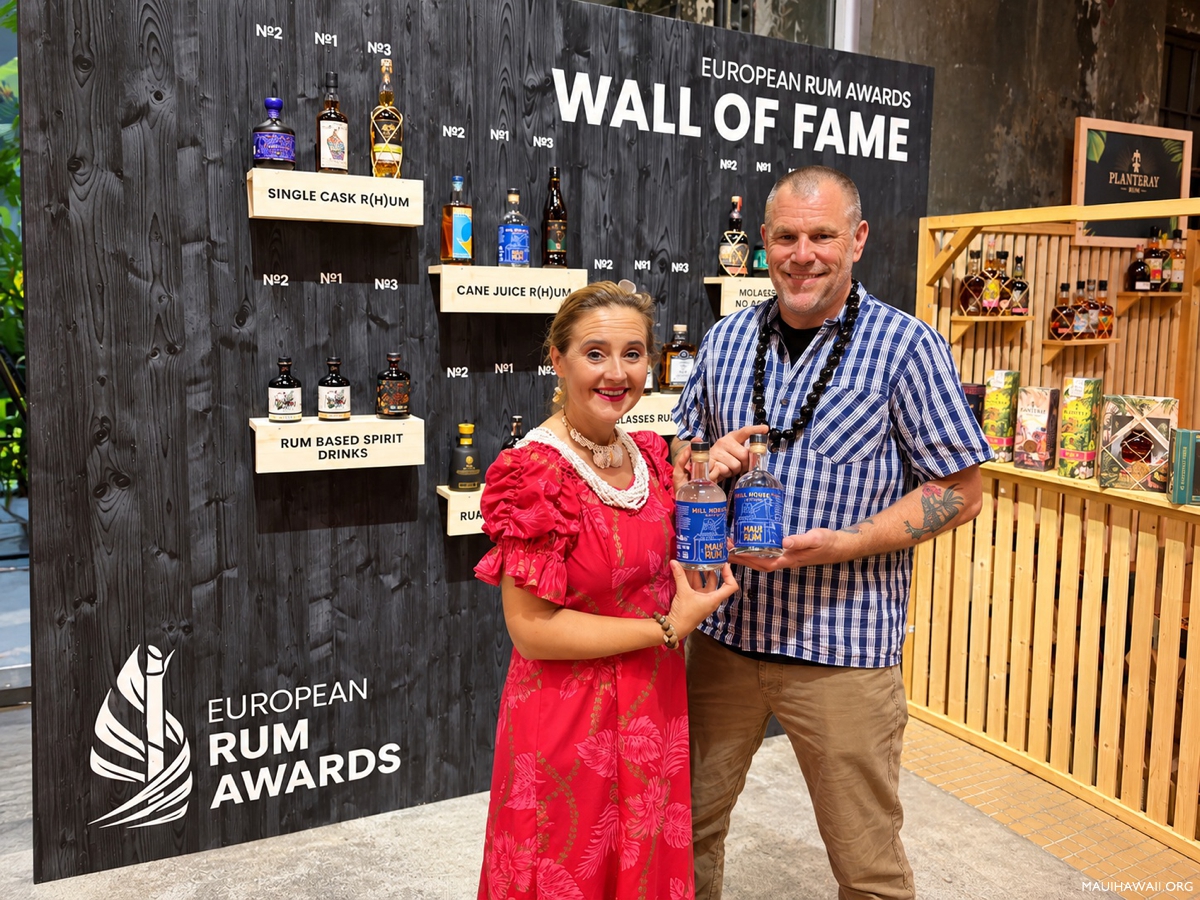
And this little Waikapū operation is already getting attention overseas. Mill House Spirits took first place in the Rum Agricole category at the European Rum Awards at the Vienna Rum Festival. Pretty impressive for a new distillery with its cane field just a short walk away.
Where to Buy It, and What a Visit Actually Looks Like
Right now, bottles are sold only at the distillery, plus a handful of bars and restaurants around Maui. It doesn’t look as though there’s mainland distribution yet, so there’s even more reason to visit the Maui Tropical Plantation.
Want to see the process firsthand? Mill House Spirits is preparing to welcome guests for distillery tours beginning November 10th! Check the Mill House Spirits website or email aloha@millhousespirits.com for the latest opening and booking information.
Since the distillery sits inside Maui Tropical Plantation, it’s easy to make your visit a full day of fun. Visit the Country Market, ride the tram tour, or grab lunch at Cafe O’lei at The Mill House, and treat the distillery as one stop on a longer visit. Go shopping at Mālama Studio, La Casita, and Stitch by Stitch, then you can even go ziplining!
Fresh-pressed, single-origin agricole rum is still rare in Hawaiʻi, and getting to taste cane-to-bottle production this directly is worth the detour if you’re already headed toward Central Maui for the plantation, ʻIao Valley, or Wailuku.
Where exactly is Mill House Spirits located?
At Maui Tropical Plantation, 1670 Honoapiʻilani Highway in Waikapū, in Central Maui near Wailuku.